Keurig Software Bug Dumps 1TB Data, Prompting IT Pro to Unplug Smart Appliance
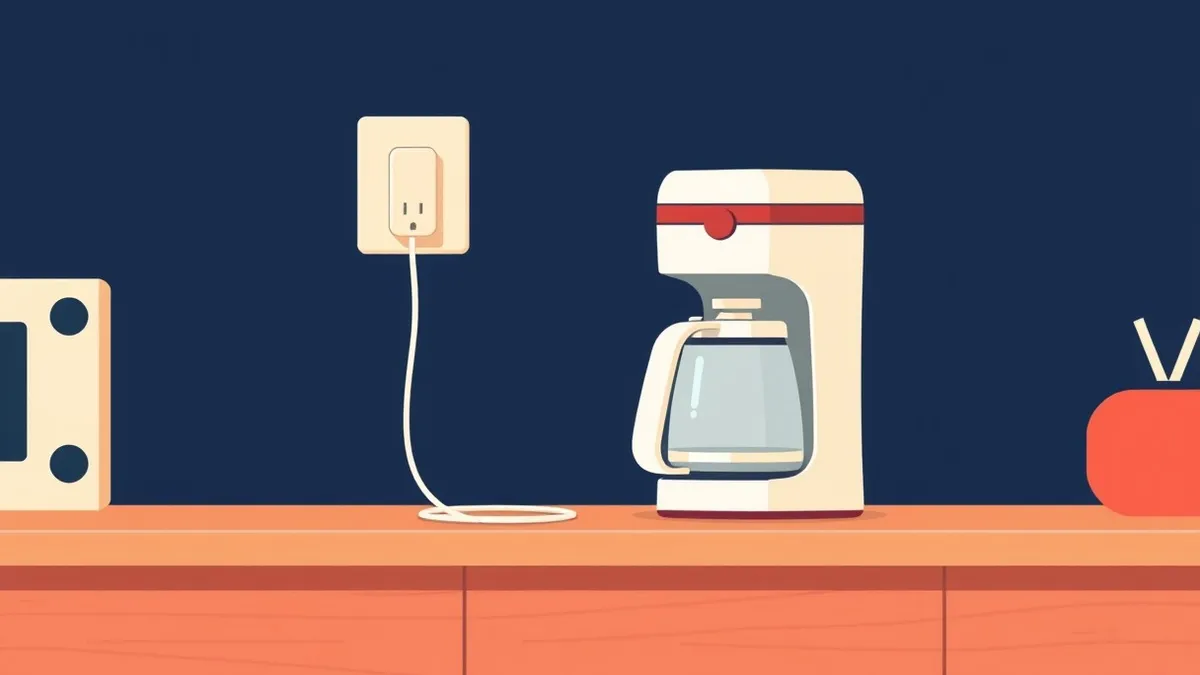
An IT professional reported that a Keurig machine transmitted one terabyte of data over a short period, highlighting risks of connected home appliances.
Key points
- A Keurig coffee maker transmitted one terabyte of data in ten days due to a software bug.
- IT expert Nomad disconnected the device after observing the abnormal network saturation.
- Consumer Reports has warned that smart appliances increasingly collect user data via companion apps.
An IT professional identified as Nomad reported that a Keurig coffee maker transmitted one terabyte of data over a ten-day period. The user posted details of the incident on X, noting that the massive data transfer appeared to result from a software bug rather than normal operation.
Nomad stated that the device was disconnected because keeping an Internet of Things gadget online that can cause such saturation is not worth the risk. The incident underscores concerns about how much data connected household devices send to their manufacturers or cloud services without clear user benefit.
View the original post on X
Context on Smart Appliance Privacy
Consumer Reports has cautioned users about smart appliances for some time, noting that internet features and companion apps are becoming standard in new products. Earlier this year, the organization warned that these devices often collect data on users whether they consent to it or not.
Steve Blair from Consumer Reports noted finding a dryer that sent data equivalent to 135,000 text messages per week to its manufacturer. He questioned what a dryer could possibly have to say at that volume, illustrating the excessive data collection common in some smart home devices.
Who Is Affected
This incident primarily affects users of smart coffee makers and other connected kitchen appliances that rely on Wi-Fi and companion apps. TechRadar also reported testing a Lavazza coffee maker that requested access to contacts and call logs, raising additional privacy questions.
The Lavazza device failed to perform basic functions like starting a brew through its app or via Google Home commands. Despite being connected, the machine did not support selecting specific drink types through smart home integration, suggesting potential issues with the utility of these smart features.
Our take on the response
Nomad’s decision to disconnect the Keurig highlights a growing skepticism toward always-on connected devices in the home. With AI and smart features rolling out across various tech sectors, the potential for privacy problems and unexpected data usage continues to expand for consumers.
What to do and how to stay safe: Keurig
- Review the network traffic of your smart appliances to identify any unusual data spikes or excessive uploads.
- Check the permissions requested by companion apps and deny access to contacts, call logs, or other unrelated data.
- Consider disconnecting smart devices that do not provide essential functionality or that you do not actively use.
- Monitor vendor updates for patches if abnormal data usage is reported as a bug in specific product models.
Step-by-step guide: Data Brokers Examples: How They Collect and Sell Your Personal Info
General security guidance from the DataSafe Radar newsroom. It is not confirmed advice from the organisations named in this story.
Frequently asked questions
How much data did the Keurig coffee maker leak?
The Keurig machine transmitted one terabyte of data over a period of ten days.
Why did the user disconnect the coffee maker?
The user disconnected it because the device was causing network saturation due to a bug.
Did the Lavazza coffee maker work properly with smart commands?
No, the Lavazza device did not support selecting specific drink types via smart home commands.