Cloudflare Radar Update Simplifies Internet Data for Journalists and Non-Technical Users
Cloudflare updated its Radar platform with an interactive map and standardized components to make global internet data accessible to non-technical users.
Key points
- Cloudflare redesigned the Radar platform to broaden access to real-time global traffic and outage data.
- The update introduces an interactive map and standardized components to simplify navigation.
- The changes aim to serve journalists, less technical researchers, and everyday users while preserving technical depth.
Cloudflare has completed a redesign of its Radar platform, shifting the focus toward usability without sacrificing technical detail. The company published a report detailing how the update makes real-time global internet traffic and outage information accessible to a wider audience, including journalists and everyday users who may lack deep technical expertise.
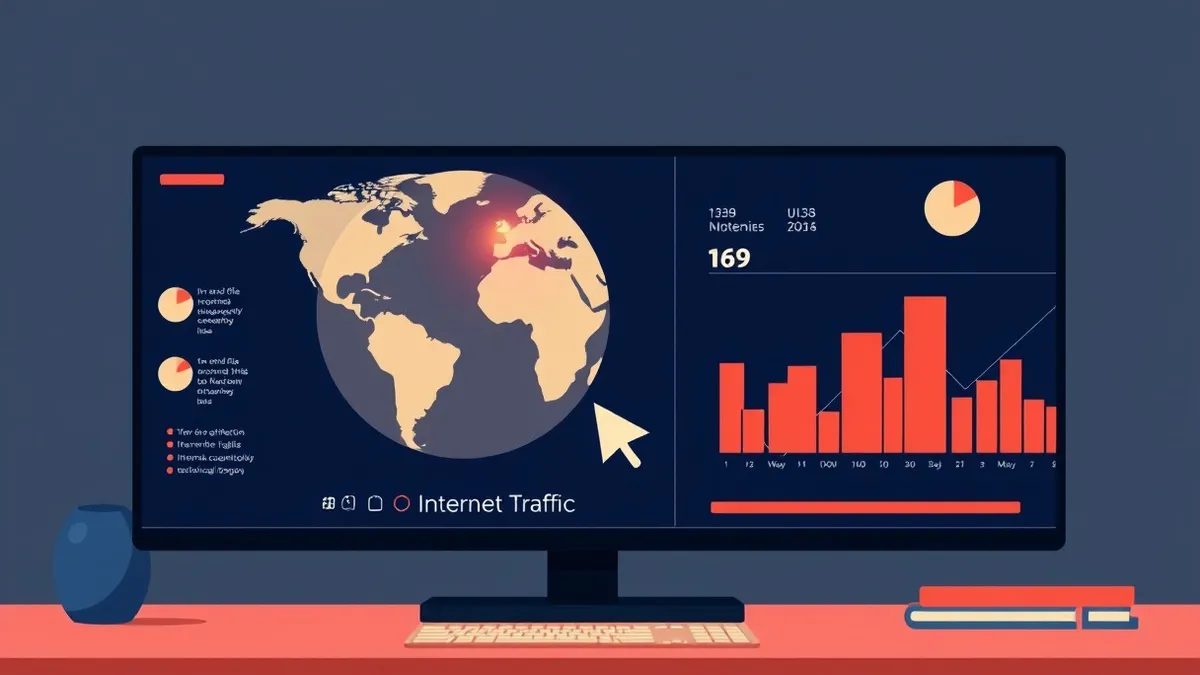
The primary change involves the introduction of an interactive map and standardized interface components. According to Cloudflare’s first-hand research published on its blog, these additions were designed to simplify navigation across the platform. While the visual interface has been streamlined for broader accessibility, the underlying technical depth of the data remains intact for advanced researchers who require granular insights into global internet infrastructure.
Context and Background
The redesign addresses a gap in how global internet data is presented to different user groups. Previously, accessing real-time traffic and outage data through Radar required a higher level of technical proficiency. By standardizing components, Cloudflare aims to create a more consistent user experience. The interactive map serves as a central feature, allowing users to visualize global internet activity in a more intuitive format. This shift reflects a broader industry trend toward making complex cybersecurity and network data more digestible for a general technology audience.
Who Is Affected
The update directly impacts journalists, researchers with less technical backgrounds, and everyday users interested in internet health metrics. These groups can now access the same real-time data that network engineers use, but through a simplified interface. For technical professionals, the core data remains available, ensuring that the platform continues to serve its original purpose of providing deep technical insights. The change does not remove existing features but rather reorganizes them to improve accessibility.
Our take on the response
This redesign represents a strategic move to democratize access to global internet intelligence. By lowering the barrier to entry for understanding network outages and traffic patterns, Cloudflare enables a wider range of stakeholders to monitor internet health. There is no indication of a security vulnerability or bug associated with this change; it is a product enhancement focused on user experience. Users should expect a more streamlined navigation process when accessing Radar’s global data sets. No patch or fix is required, as this is a planned feature update rather than a response to a security incident.
What to do and how to stay safe: Cloudflare
- Logs are text-based records, not continuous video feeds of system activity.
- Centralized aggregation is required because cloud resources are ephemeral and distributed.
- Alert fatigue occurs when you monitor too many low-value events without filtering.
Cloud logging is the foundation of visibility in distributed environments, but raw data is useless without correlation and context. Start by defining specific security use cases and enable only the logs required to detect those threats.
Step-by-step guide: What is Cloud Logging: The Hidden Truth About Your Data Trail
General security guidance from the DataSafe Radar newsroom. It is not confirmed advice from the organisations named in this story.
Frequently asked questions
What new features does the Cloudflare Radar redesign include?
The redesign includes an interactive map and standardized components to simplify navigation and make data more accessible.
Who is the target audience for the updated Cloudflare Radar?
The update targets journalists, less technical researchers, and everyday users, while still serving technical professionals.
Does the redesign remove technical depth from the data?
No, Cloudflare states that the redesign preserves technical depth while simplifying the navigation for a wider audience.