Kiro IDE Token Cache File Permissions Flaw Risks Auth Data Leakage in CVE-2026-11931
Amazon Web Services issued a security bulletin for CVE-2026-11931, highlighting insecure permissions on token cache files in its Kiro IDE product.
Key points
- AWS identified insecure permissions on the authentication token cache file within Kiro IDE.
- The vulnerability is tracked as CVE-2026-11931 and was disclosed in an official security bulletin.
- The issue allows potential access to sensitive authentication data due to improper file permission settings.
Amazon Web Services published a security bulletin on April 2026 addressing a vulnerability in its Kiro IDE product. The advisory identifies CVE-2026-11931, which stems from insecure permissions applied to the authentication token cache file. This configuration error exposes sensitive credentials to unauthorized access on affected systems.
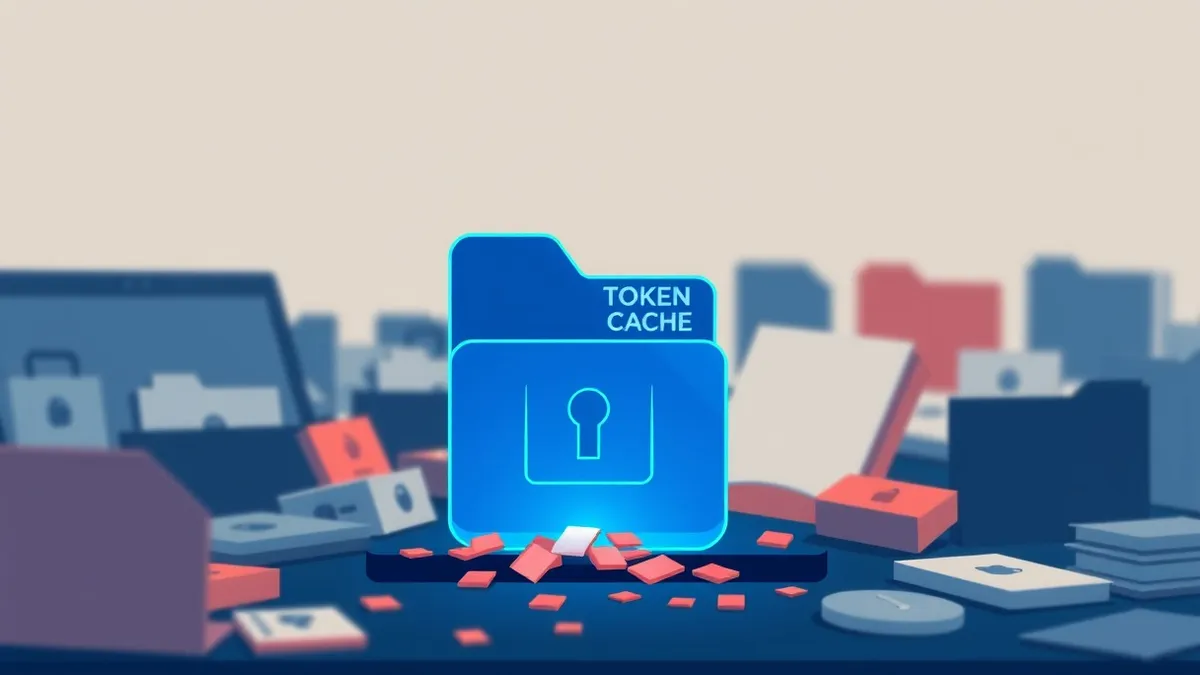
The flaw resides in how the Kiro IDE manages local file permissions for cached authentication tokens. According to the AWS Security Bulletins, these permissions are set insecurely, allowing potential attackers to read the token cache. This exposure can lead to unauthorized access to accounts linked to the IDE, compromising user sessions and data integrity.
Context and Background
The vulnerability was documented in an official advisory from AWS Security Bulletins under the identifier CVE-2026-11931. The bulletin specifically cites "Insecure Permissions on Authentication Token Cache File in Kiro IDE" as the core issue. This type of defect is common in development environments where local files store session data but lack strict access controls.
AWS released the information through its standard security bulletin RSS feed and web page. The disclosure provides technical details about the improper permission settings that allow local users or malicious software to access the token cache. This highlights the importance of strict file system permissions in developer tools that handle authentication data.
Who Is Affected
Users of the Kiro IDE are directly affected by this vulnerability. Any organization or individual using this specific integrated development environment from Amazon Web Services faces potential risk. The impact depends on whether the insecure file permissions exist on the user's local machine and if an attacker can access the file system.
Business leaders should note that this affects the development tooling layer rather than cloud infrastructure directly. However, compromised developer credentials can lead to broader security incidents. Teams using Kiro IDE for code development and deployment need to assess their exposure to local file access threats immediately.
Our take on the response
The publication of this bulletin indicates that AWS has identified the risk and is informing users. No specific patch or version update is mentioned in the provided source material. Organizations should monitor AWS channels for further guidance on remediation. Until a fix is confirmed, limiting local access to IDE installation directories may reduce exposure.
What to do and how to stay safe: AWS
- Audit local file permissions for all installed IDEs to ensure token caches are not readable by other users.
- Monitor AWS security bulletins for updated remediation steps or patched versions of Kiro IDE.
- Restrict administrative access to workstations running development tools to limit local exploitation opportunities.
- Educate developers on the risks of insecure local file storage for authentication tokens.
Step-by-step guide: Vulnerability Prioritization for Small Businesses
General security guidance from the DataSafe Radar newsroom. It is not confirmed advice from the organisations named in this story.
Frequently asked questions
What is CVE-2026-11931?
It is a vulnerability in AWS Kiro IDE where insecure permissions on the authentication token cache file allow unauthorized access.
Which product is affected?
The AWS Kiro IDE is affected by this security issue.
Is there a fix available?
The source material does not confirm the availability of a patch or fix yet.