Side-Channel Attacks: How Small Businesses Stop Data Leaks
Side-channel attacks bypass software defenses by reading physical signals like power usage and timing, making small businesses vulnerable despite strong encryption.
Side-channel attacks exploit physical data leaks rather than code errors. Small businesses face this risk through connected devices and cloud services. Mitigation requires strict hardware controls, constant update management, and asking IT providers about hardware-level security audits and isolation protocols.
The Invisible Leak
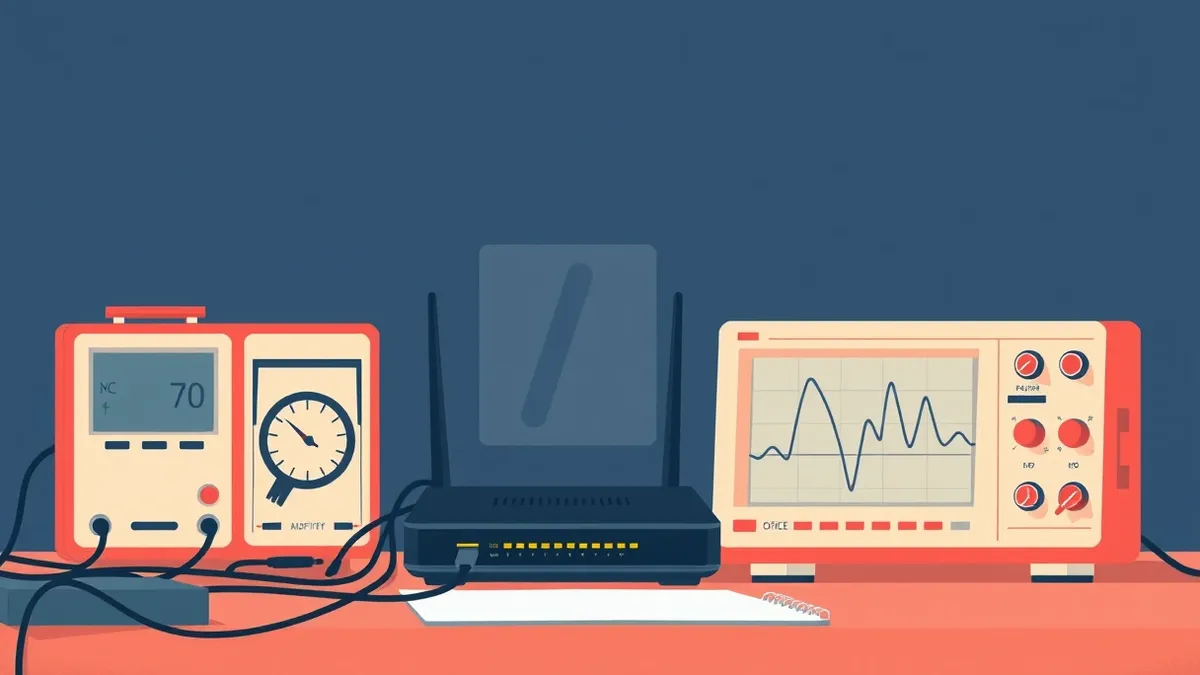
Side-channel attacks do not break the mathematics of encryption. They observe the physical side effects of the computer performing the encryption. When a processor calculates a complex key, it consumes more power, emits more heat, or takes a slightly different amount of time than when it calculates a simple key. These variations are the side channels.
You might think your firewall or antivirus software stops these threats. It does not. These tools monitor network traffic and file execution. They cannot see the voltage drop on a circuit board or the electromagnetic radiation from a CPU. The data never leaves the machine in a format that traditional security software recognizes as sensitive.
This creates a blind spot for most small organizations. You may have patched every known software vulnerability. You may use strong, random passwords. Yet, the physical hardware itself is leaking information. The attack happens at the silicon level, below the operating system.
Why Small Organizations Are Exposed
Large enterprises often have dedicated security operations centers. They can deploy specialized hardware that masks power consumption. They can isolate high-value servers in shielded rooms. Small businesses rarely have this infrastructure. You likely rely on off-the-shelf laptops and standard cloud hosting.
Cloud providers manage the physical layer. However, you share that hardware with other tenants. If a neighbor on the same server rack monitors the shared power lines or cache memory, they can infer your data. This is known as a cache-timing attack. You cannot physically separate yourself from the hardware in a multi-tenant cloud environment.
Another exposure is the Internet of Things. Suppose your office uses smart thermostats or networked printers. These devices often have weak internal processors. They lack the hardware randomization features found in modern servers. An attacker with physical access to the network can exploit the timing differences in these devices to extract keys.
This relates to IoT device vulnerabilities, where the physical constraints of cheap hardware create predictable behaviors. Unlike a server, a smart lock does not vary its power draw to hide its operations. It is deterministic. Determinism is the enemy of side-channel resistance.
Low-Cost Protections for Limited Budgets
You do not need a Faraday cage to reduce this risk. You can implement controls that increase the noise floor. Noise makes it harder for an attacker to distinguish the signal of your encryption from the background activity.
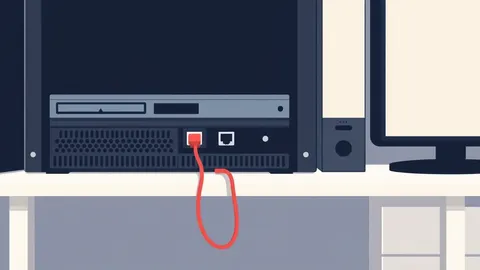
One method is to limit physical access. Side-channel attacks often require the attacker to be in the same room or on the same local network segment. By locking server rooms and restricting physical access to network switches, you raise the barrier. This aligns with general vulnerability prioritization, where you focus on the attack vectors that require the least effort for the attacker. Physical proximity is a high-effort vector for remote hackers.
Another low-cost step is to standardize hardware. Buying identical laptops for your staff ensures that any timing variations are consistent and expected. It prevents an attacker from comparing your unique device against a known baseline. It also simplifies patching. When every machine runs the same firmware, you can update them all at once, reducing the window of exposure.
Consider default credentials on any network device. If an attacker can log into your router with default settings, they can enable remote monitoring features. This gives them a digital side channel. Changing these credentials is free and removes a major entry point for observation.
The Role of Code and Configuration
Software developers can write code that resists timing attacks. This is called constant-time implementation. The code takes the same amount of time to run, regardless of the input data. It includes dummy operations to mask the real work.
As a small business owner, you rarely write this code. You buy software. You must trust that the vendor has implemented these protections. This is why you should check for business logic flaws in your software choices. A vendor that ignores basic security patterns likely ignores constant-time requirements too.
Ask your software providers if they use constant-time algorithms for cryptographic operations. If they cannot answer, or if they say they rely on standard libraries, assume they are vulnerable. Standard libraries often optimize for speed, not security. Speed optimization often introduces timing variations.
This connects to LDAP injection and path traversal vulnerabilities in a broader sense. All these issues stem from trusting inputs without proper validation or isolation. Side-channel attacks exploit the trust in the hardware’s consistent behavior. You must assume the hardware is noisy and the code is imperfect.
What to Ask Your IT Provider
Your IT provider should understand these risks. They may not use the term "side-channel" often, but they should have controls in place. You need to verify that they are looking beyond the software layer.
Use this checklist to evaluate their readiness:
- Do you audit the physical security of our server hardware and cloud tenant isolation?
- How do you ensure that firmware updates include security patches for hardware timing issues?
- Can you demonstrate how we isolate sensitive workloads from shared cloud resources?
- Do you use hardware security modules for key storage, and are they certified for side-channel resistance?
- What is your process for identifying and mitigating risks from connected office devices?
These questions force the provider to think about the physical and virtual isolation of your data. If they only talk about antivirus and firewalls, they are missing the picture. You need a partner who understands that security is a physical reality, not just a digital one.
See also: Exposed API Keys: How Leaked Access Tokens Compromise Systems · GitHub Actions Workflow Injection Explained: Risks and Fixes
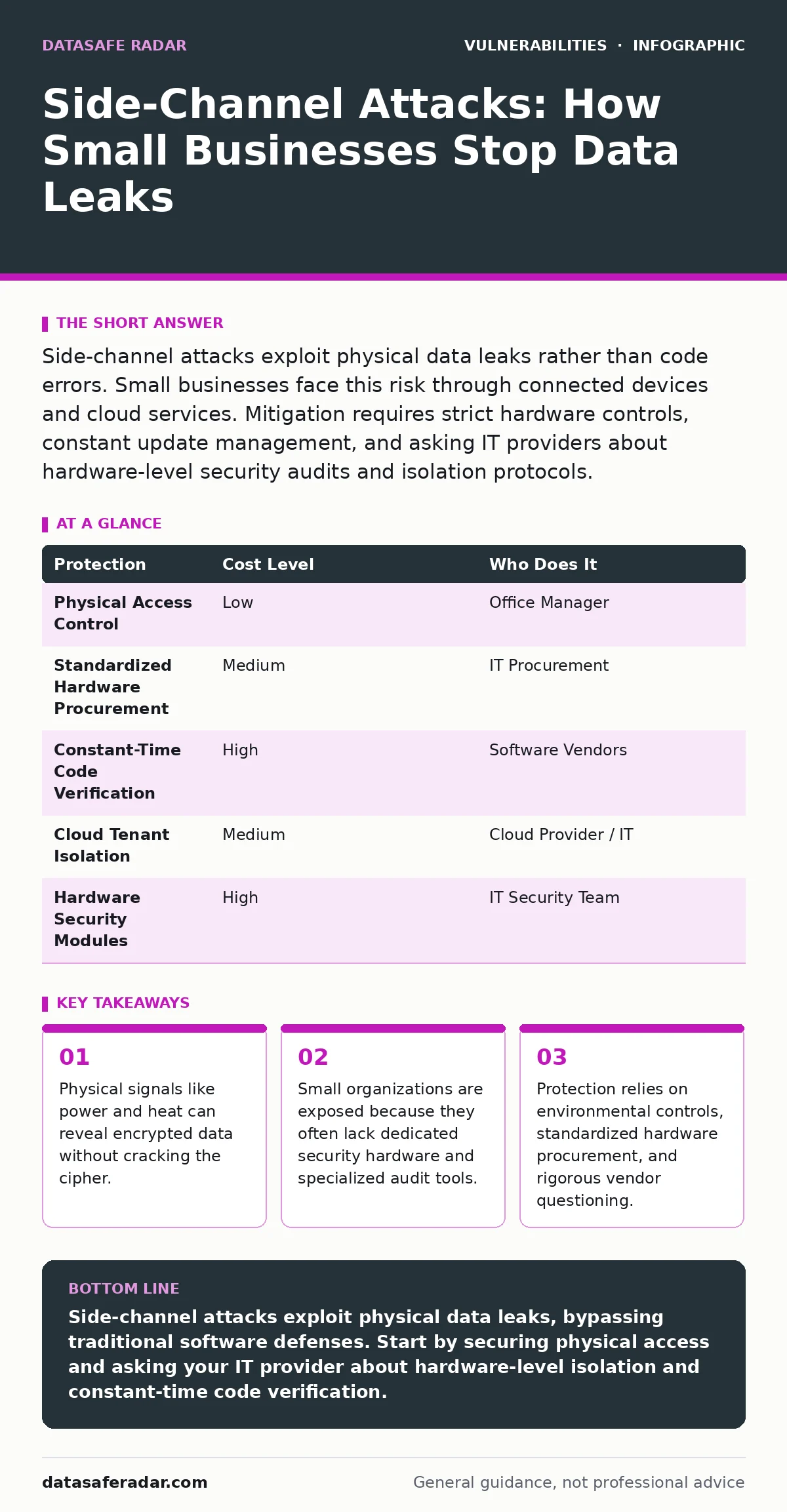
Protection Strategies Overview
| Protection | Cost Level | Who Does It |
|---|---|---|
| Physical Access Control | Low | Office Manager |
| Standardized Hardware Procurement | Medium | IT Procurement |
| Constant-Time Code Verification | High | Software Vendors |
| Cloud Tenant Isolation | Medium | Cloud Provider / IT |
| Hardware Security Modules | High | IT Security Team |
Note that CVSS score and EPSS score metrics often miss side-channel risks. These scores evaluate software exploitability. They do not measure physical leakage. A system can have a low CVSS score and still be highly vulnerable to side-channel attacks. Do not rely on these numbers for a complete security picture.
Managing Expectations
You cannot eliminate side-channel risk entirely. It is a fundamental property of physics. Energy consumption and time passage are unavoidable. Your goal is to make the attack impractical.
For a small business, impractical means too expensive or too difficult for a likely attacker. Most attackers target easy wins. They look for unpatched software or weak passwords. They do not have the equipment to measure nanosecond timing variations on your shared cloud server.
However, you must prepare for the future. As quantum computing and advanced sensors improve, these attacks will become easier. Your defenses must evolve. Start with the basics: physical security, standardized hardware, and informed vendor selection.
Key takeaways
- Physical signals like power and heat can reveal encrypted data without cracking the cipher.
- Small organizations are exposed because they often lack dedicated security hardware and specialized audit tools.
- Protection relies on environmental controls, standardized hardware procurement, and rigorous vendor questioning.
Side-channel attacks exploit physical data leaks, bypassing traditional software defenses. Start by securing physical access and asking your IT provider about hardware-level isolation and constant-time code verification.
Frequently asked questions
Can antivirus software detect a side-channel attack?
No, antivirus software monitors file behavior and network traffic. It cannot detect physical signals like power usage or electromagnetic radiation that side-channel attacks exploit.
Do I need specialized hardware to protect against these attacks?
You do not need specialized hardware for basic protection. Standardizing your existing hardware and restricting physical access significantly reduces the risk for most small businesses.
How do I know if my cloud provider is safe from these attacks?
Ask your provider about their tenant isolation policies and whether they use hardware security modules. They should be able to explain how they prevent cross-tenant timing or cache attacks.
Are side-channel attacks common for small businesses?
They are rare but growing. Most small businesses are targeted for easier software flaws. However, as attacks become automated, the risk increases for anyone using standard hardware without physical controls.
How this guide was produced: written by the DataSafe Radar editorial team with AI assistance, checked against the public references listed below, and reviewed when the facts change. See our editorial policy or report an error.